Source High Strength Construction Power Cable for Oil, Gas, and Power
Compare 30 listings for high strength construction power cable suitable for oil and gas drilling, power stations, and underground infrastructure. Buyers can evaluate specifications like voltage ratings, conductor types, and certifications from verified Chinese manufacturers; compare the available evidence and request quotations based on your requirements.
Key considerations
Products List


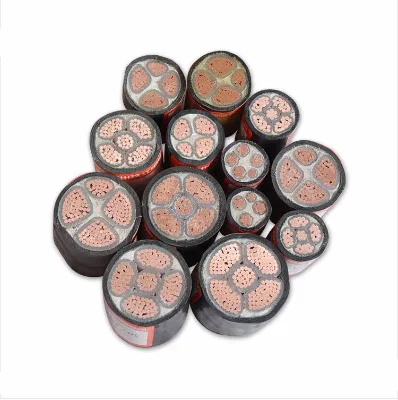


Comprehensive Sourcing Guide
High Strength Construction Power Cable Sourcing Guide
Procuring high strength construction power cables requires a nuanced understanding of material science and electrical engineering standards. Buyers must distinguish between standard conductive wires and specialized cables designed to withstand mechanical stress in demanding environments. The market offers a wide array of options, from carbon steel structures to copper-based conductors, each serving distinct roles in infrastructure projects. Understanding these material differences is the first step in ensuring that the selected cable meets both electrical performance and physical durability requirements.
This guide focuses on verifying critical attributes such as insulation type, voltage rating, and mechanical strength. It is essential to align technical specifications with the specific operational conditions of the construction site, including ambient temperature ranges and laying constraints. By prioritizing verified data over marketing claims, procurement teams can mitigate risks associated with premature failure or non-compliance. The following sections provide a structured approach to evaluating suppliers, interpreting technical data, and establishing robust quality control measures for long-term project success.
Product Scope and Observed Listing Signals
The observed product landscape reveals a diverse range of cable types, including seamless carbon steel pipes and various electrical conductors. Listings indicate materials such as carbon steel, red copper wire, and aluminum variants like ACSR and AAAC. These materials suggest applications ranging from structural support in machinery and oil drilling to power transmission in overhead and underground settings. The presence of both bare and insulated options highlights the need for buyers to clearly define whether the primary requirement is mechanical strength or electrical conductivity.
Observed specifications include voltage ratings from low voltage (1kv, 10kv) to medium voltage (3kv-35kv), with techniques such as hot rolling and extrusion. Insulation materials vary from bare conductors to XLPE and PVC sheaths, indicating suitability for different environmental exposures. Some listings mention specific models like YJV22 and YJLV22, which are commonly used in construction and power stations. Buyers should note that these signals represent a broad market sample and must be cross-referenced with specific project needs to ensure compatibility with local grid standards and physical installation constraints.
Technical Specifications to Verify
Verifying conductor type and insulation integrity is paramount for ensuring reliable power transmission in construction environments. Buyers should confirm whether the cable uses stranded or flexible conductors, as this impacts bending radius and installation ease. The operating temperature range, often cited as a maximum of 90°C, must be validated against the expected thermal load of the application. Additionally, the ambient temperature limits, such as not being lower than -10°C, are critical for preventing material brittleness during storage and installation in colder climates.
Mechanical properties, including armoring and sheath material, must be scrutinized to ensure resistance to physical damage. For instance, cables with PVC sheaths and XLPE insulation offer different levels of chemical and moisture resistance. The bending radius, typically specified as 15 times the overall diameter, is a key factor in avoiding internal damage during routing. Buyers must also verify the core configuration, whether single or multicore, to match the electrical system design. Ensuring these technical parameters align with the project’s physical and electrical demands prevents costly retrofits and operational failures.
Compliance and Safety Documentation
Compliance with international and regional standards is non-negotiable for construction power cables. Buyers should request documentation verifying adherence to standards such as IEC 60227 and IEC 60228, which govern the properties of insulated cables. Certifications like CCC, CE, ISO, and RoHS indicate that the manufacturer has met specific safety and environmental requirements. These documents provide assurance that the cable materials are free from hazardous substances and meet electrical safety benchmarks, which is crucial for regulatory approval in many jurisdictions.
Beyond product-specific certifications, buyers should verify the manufacturer’s quality management systems, such as ISO 9001, to ensure consistent production quality. It is important to distinguish between product certifications and general company certifications, as the latter does not guarantee individual batch compliance. Buyers must also check for voltage type certifications, ensuring the cable is rated for AC or DC applications as required. Requesting test reports for dielectric strength and mechanical endurance can further validate the supplier’s claims and provide a baseline for incoming quality inspections.
Cost Drivers and Commercial Terms
Several factors influence the final cost of high strength construction power cables, including raw material prices, insulation complexity, and packaging requirements. Copper and aluminum prices fluctuate significantly, directly impacting the base cost of conductors. The choice between bare, XLPE, or PVC insulation also affects pricing, with more complex insulation systems commanding higher premiums. Buyers should analyze the total cost of ownership, considering not just the unit price but also the efficiency and lifespan of the cable in the specific application.
Commercial terms such as MOQ, lead time, and packing methods play a crucial role in budgeting and logistics. Observed MOQs range from 1 to 2000 units, allowing for flexibility in order sizes. Packing options, including wooden drums, iron drums, or standard export packing, can impact shipping costs and handling requirements. Buyers should negotiate clear terms regarding customization, as many suppliers offer tailored solutions for specific voltage or size requirements. Understanding these commercial variables helps in forecasting total project costs and avoiding unexpected expenses during the procurement process.
Supplier Qualification and Quality Control
Evaluating supplier capability requires a thorough review of their manufacturing processes and quality assurance protocols. Buyers should verify the supplier’s ability to produce cables with specific characteristics, such as hot-rolled techniques or precise dimensional tolerances. Customization availability is a key indicator of a supplier’s flexibility and technical expertise. It is advisable to request samples for independent testing before placing large orders, ensuring that the product meets the specified technical and performance criteria.
Quality control measures should include routine inspections of raw materials, in-process checks, and final product testing. Buyers should inquire about the supplier’s defect rate and their procedures for handling non-conforming products. Establishing a clear communication channel for addressing quality issues is essential for maintaining project timelines. Additionally, verifying the supplier’s origin, such as Henan, China, can provide context regarding their supply chain and logistical capabilities. Building a relationship with a reliable supplier ensures consistent quality and support throughout the project lifecycle.
Long-Term Procurement Checks
Establishing long-term procurement strategies involves regular audits and performance reviews of supplied cables. Buyers should monitor the cable’s performance in the field, tracking any issues related to insulation degradation, mechanical failure, or electrical faults. Feedback from installation teams and maintenance staff is invaluable for identifying potential improvements in product design or supplier service. Regularly updating technical specifications based on industry advancements ensures that procurement decisions remain aligned with current best practices and safety standards.
Continuous engagement with suppliers for product updates and new certifications is also critical. As standards evolve, suppliers must adapt their manufacturing processes to remain compliant. Buyers should maintain a database of supplier performance metrics, including delivery times, quality consistency, and responsiveness to issues. This data-driven approach facilitates informed decision-making for future procurements and helps in identifying alternative suppliers if needed. By prioritizing long-term relationships and continuous improvement, organizations can secure a reliable supply of high-quality construction power cables.
FAQs
What certifications do high strength construction power cables have?
These cables typically hold CCC, ISO, RoHS, CE, and VDE certifications. The specific certification depends on the product model and application, such as YJV22 or ACSR types used in machinery or oil drilling industries.
Which voltage ranges are available for these power cables?
Available voltage ranges include low voltage options like 1kv and 10kv, as well as medium voltage ratings up to 35kv. The specific voltage type is selected based on whether the application requires overhead or underground installation.
Can I request custom packaging for these cables?
Yes, customization is available for packaging requirements. Options include standard export packing, wooden drums, iron drums, or specific arrangements according to your unique needs for machinery or chemical industry applications.
What materials are used for the conductor and insulation?
Conductors often use red copper wire or carbon steel, while insulation materials include XLPE. The sheath material is typically PVC, ensuring durability for construction, power stations, and industrial computer applications.
How are these cables packed for export from China?
Cables are packed in wooden drums, iron drums, or standard export packaging. The specific packing method depends on the model, such as YJV32 or ACSR, and can be adjusted to meet your specific shipping requirements.
What is the minimum order quantity for these cables?
The minimum order quantity ranges from 1 to 2000 units depending on the supplier and product type. Specific MOQ values vary by model, such as YJLV22 or AACSR, and are determined by the manufacturer's capacity.
Which standards do these cables comply with?
Cables comply with standards like IEC 60227, IEC 60228, and CCC. Some models follow customer requests or specific size standards ranging from 0.5sqmm to 400sqmm for various industrial and construction uses.